Erlenweg 2
Erlenweg 2
Current Exhibition at Erlenweg 2
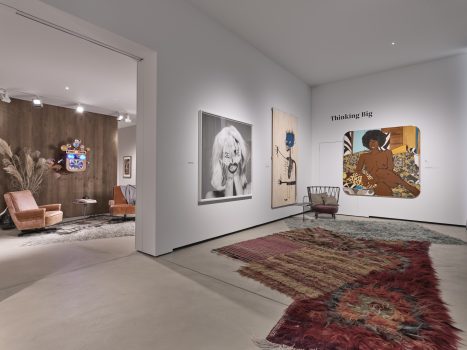
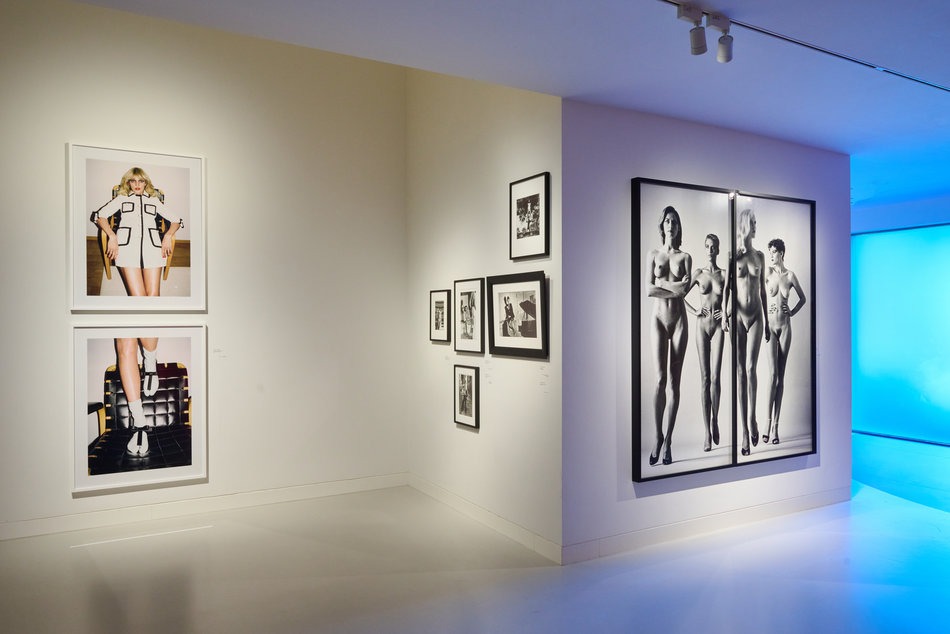
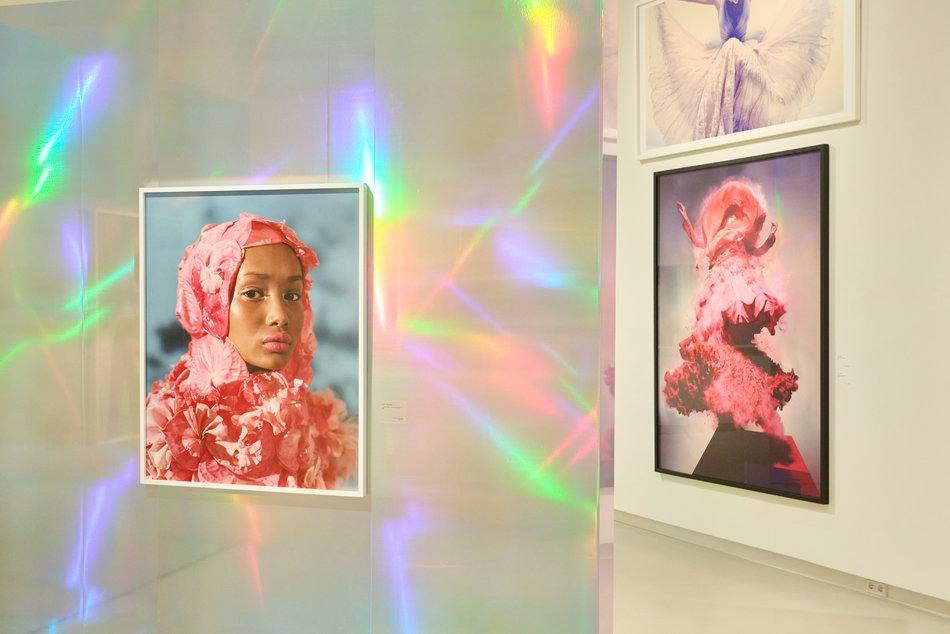
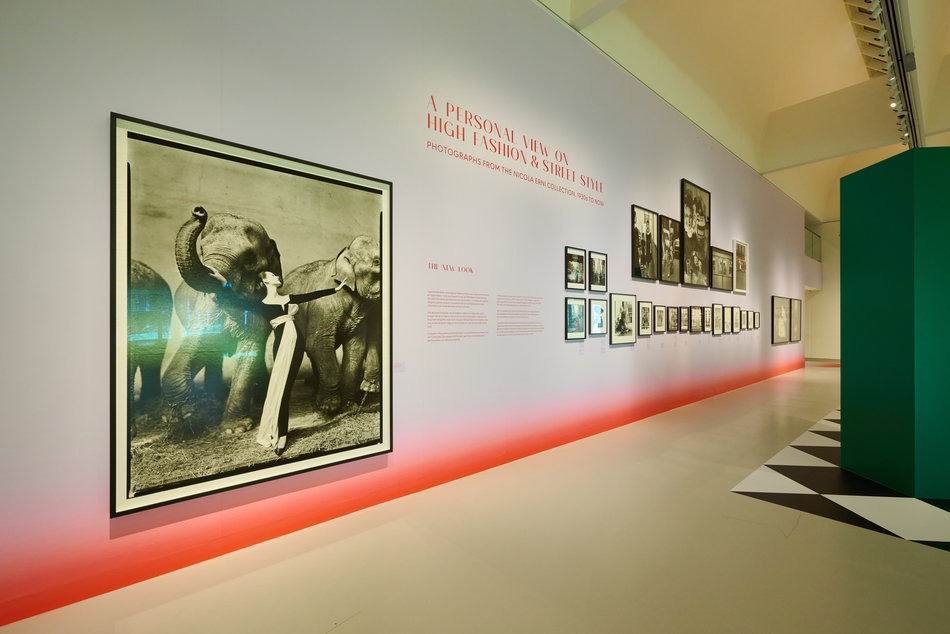
In keeping with the philosophy of the Nicola Erni Collection, the current exhibition brings together selected positions from the collection in a deliberately open display. Photographic works and contemporary artworks enter into a multilayered dialogue, offering differentiated perspectives on the central themes of the collection.
Under the theme New York’s Roaring 80s, monumental works by three artists who were active in New York in the 1980s are united in a close exchange: Jean-Michel Basquiat, Andy Warhol, and Julian Schnabel. While Warhol and Basquiat dissolved the boundaries between Pop Art and Neo-Expressionism in their collaborations, Schnabel advocated a return to monumental, materially driven painting. Despite their distinct artistic languages, the works are connected by a radical approach to the fusion of techniques and visual vocabularies. Whether in Basquiat’s and Schnabel’s collage-like interweaving of text and image or in Warhol’s iconic silkscreens on large-scale supports, they testify to the new self-confidence of a generation of artists unwilling to be constrained either formally or spatially.
Another focal point is the portrait. Portraits seek to capture identity, interiority, or the unmistakable presence of an individual. At the same time, they are always shaped by artistic decisions—regarding perspective, staging, and emphasis—that lend each work its specific character. Contemporary positions by Mickalene Thomas and Rashid Johnson are juxtaposed with photographic portraits by Cindy Sherman and Richard Avedon. A dynamic field emerges between construction and documentation, between performative staging and psychological intensity.
With Dirty Martini: Photographs of the 1960s and 1970s, the exhibition also turns to a photographic cosmos oscillating between glamour and excess. Around 200 portrait and paparazzi photographs transport visitors into the dazzling universe of the personalities who shaped the music, film, fashion, and art scenes of those two decades. Legendary moments coalesce into a collective visual memory—an echo of an era that continues to resonate today.
A further dialogue unfolds in the juxtaposition of two American classics: William Eggleston and Paul McCarthy. The portfolio The Last Dyes by William Eggleston comprises 49 photographs taken in Memphis in the 1970s. Printed using the technically demanding dye-transfer process—originally employed primarily for advertising posters—the works are distinguished by exceptional color saturation and an almost painterly materiality. Everyday motifs such as gas stations, motel rooms, and refrigerators acquire an unexpected aesthetic presence and dignity through this specific printing technique. In contrast stands Tomato Head (1994) by Paul McCarthy, a life-sized comic figure formally referencing the first toy advertised on American television, “Mr. Potato Head.” Between these two positions, a surprising dialogue on American everyday life and popular culture unfolds. While Eggleston lends reality a quiet intensity through formal precision and technical mastery, McCarthy operates with exaggeration, irony, and deliberate transgression. In their juxtaposition, parallels and contrasts alike become visible: lightness and harshness, banality and provocation, documentation and deconstruction. The presentation underscores how photography and contemporary art engage here in a productive exchange on equal terms.